Download Materials
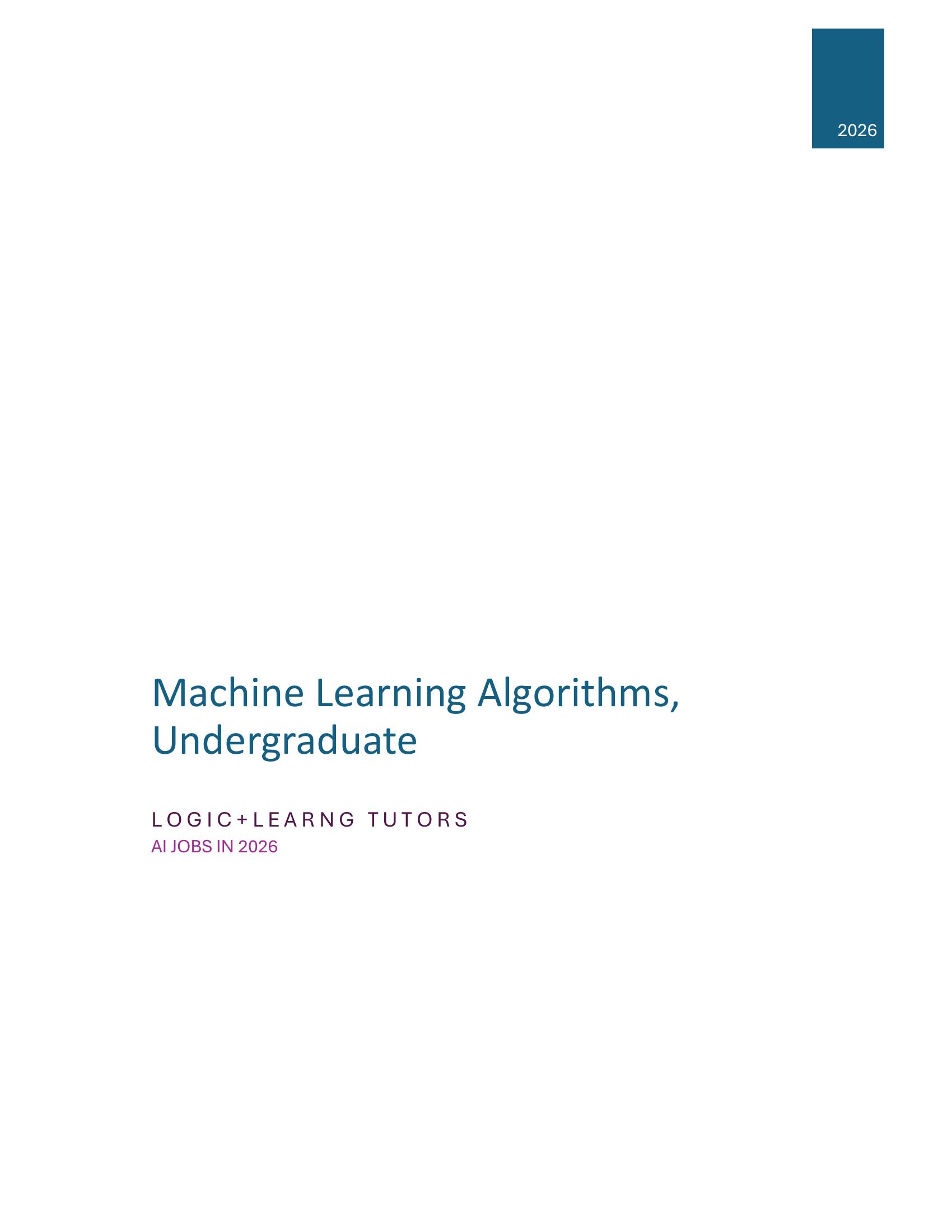
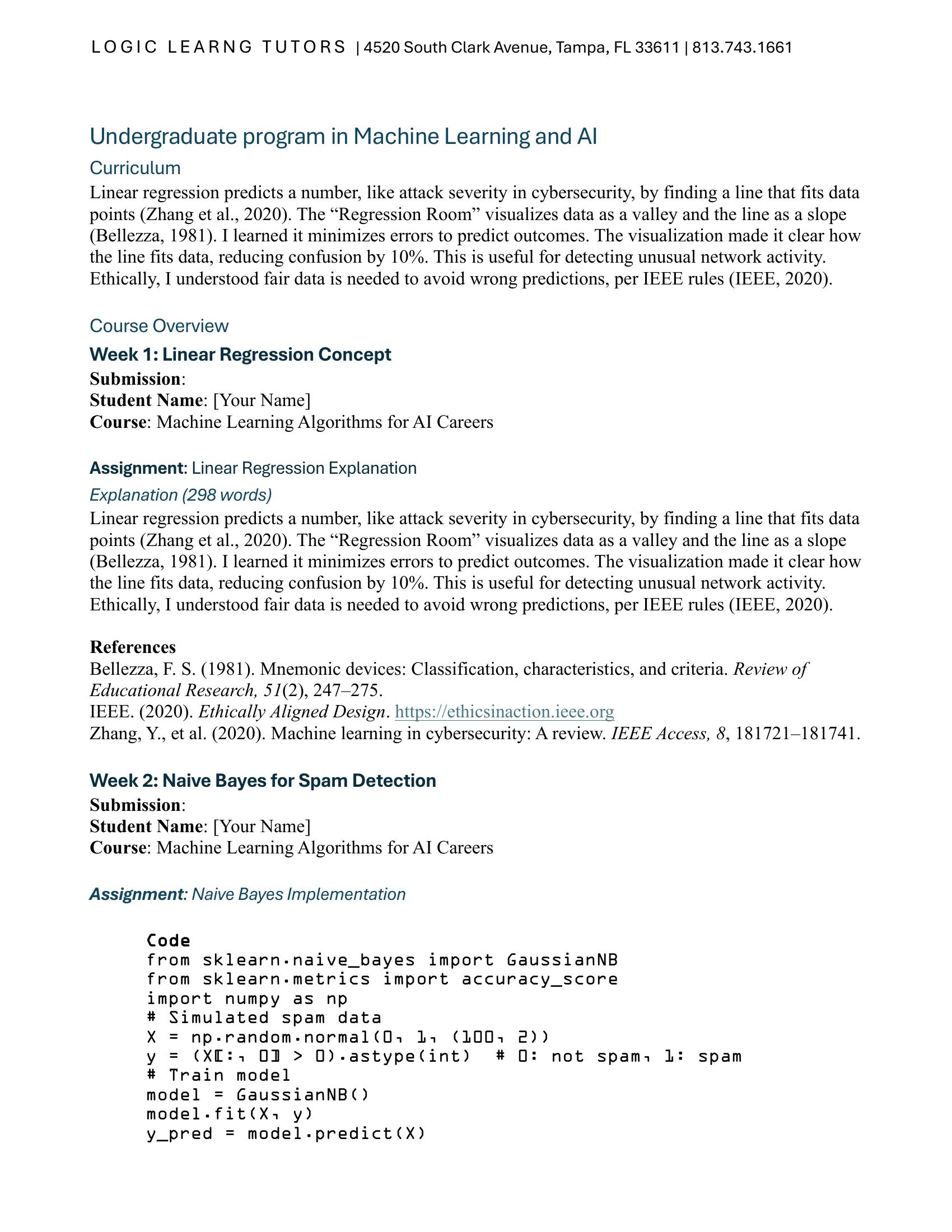
Original presentation and curriculum documents. Preview pages shown below.
Welcome to Logika Learng — where I teach CompTIA Security+ and CompTIA PenTest+ certification prep through video-based Cornell outline instruction. This portal also houses modular courses in Quantum Computing for Retail Robotics and Machine Learning Algorithms for AI Careers — designed for graduates, undergraduates, and working professionals.
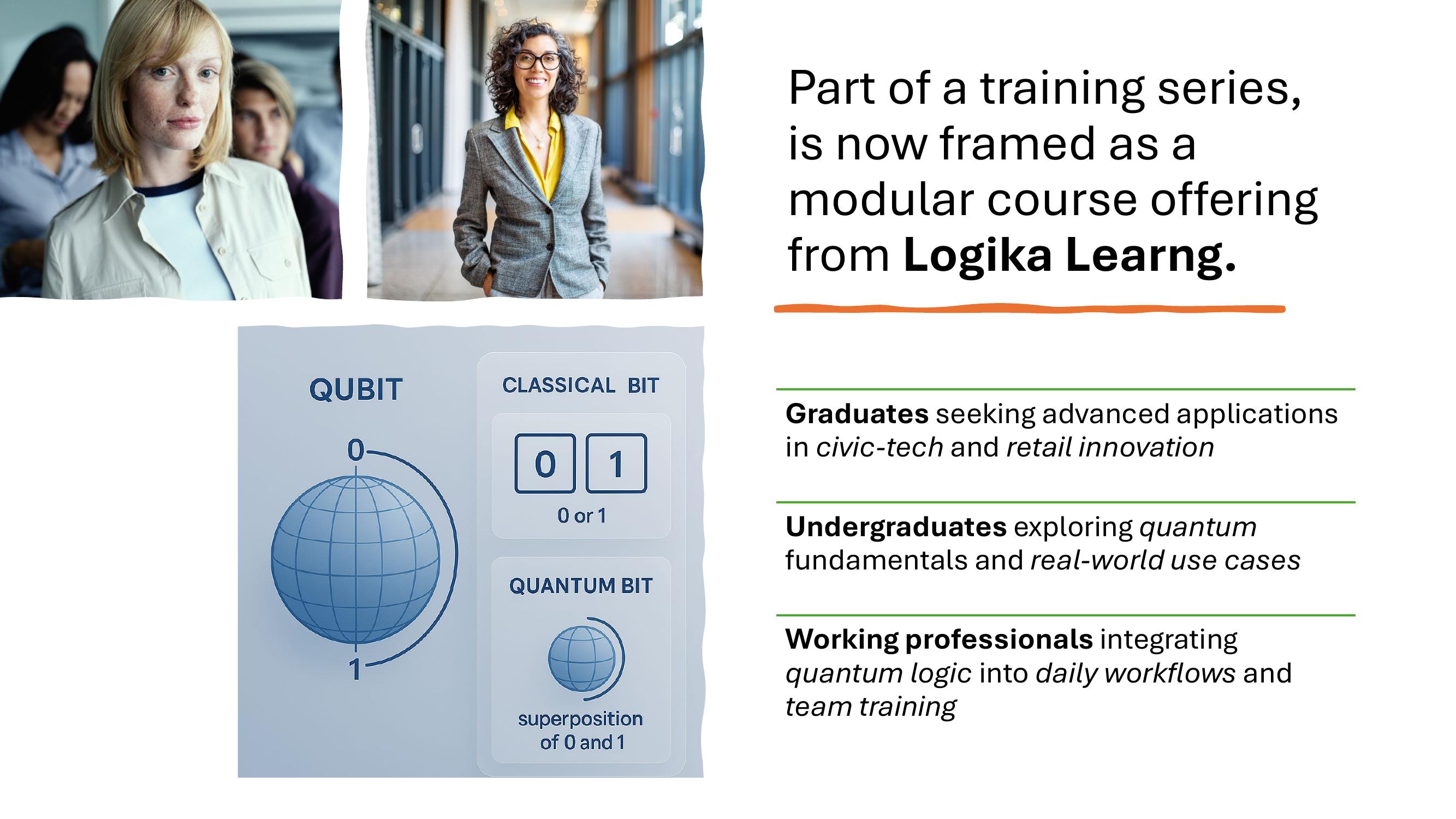
Three learner tracks across every Logika Learng course offering.
Advanced applications in civic-tech and retail innovation. Dive into algorithmic design, international compliance frameworks, and quantum-classical ML research.
Explore quantum fundamentals and real-world use cases. Prototype applications, learn modular system design, and understand inclusive design principles.
Integrate quantum logic into daily workflows and team training. Operate quantum-enhanced tools, optimize retail operations, and ensure compliance.
A modular course from the Quantum Retail Robotics Initiative — covering fundamentals through deployment.
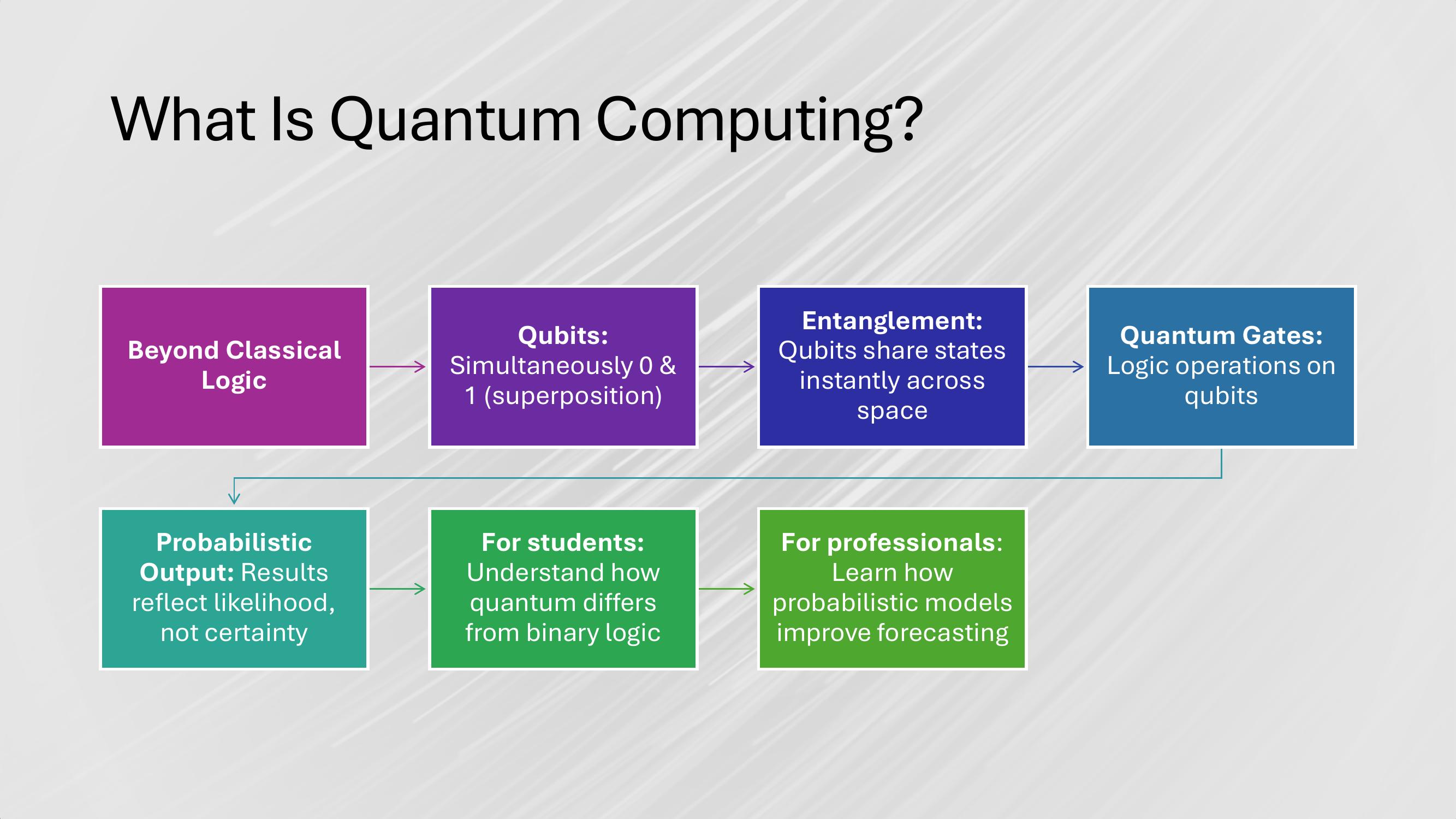
Beyond Classical Logic
Retail Is a Complex, Dynamic System
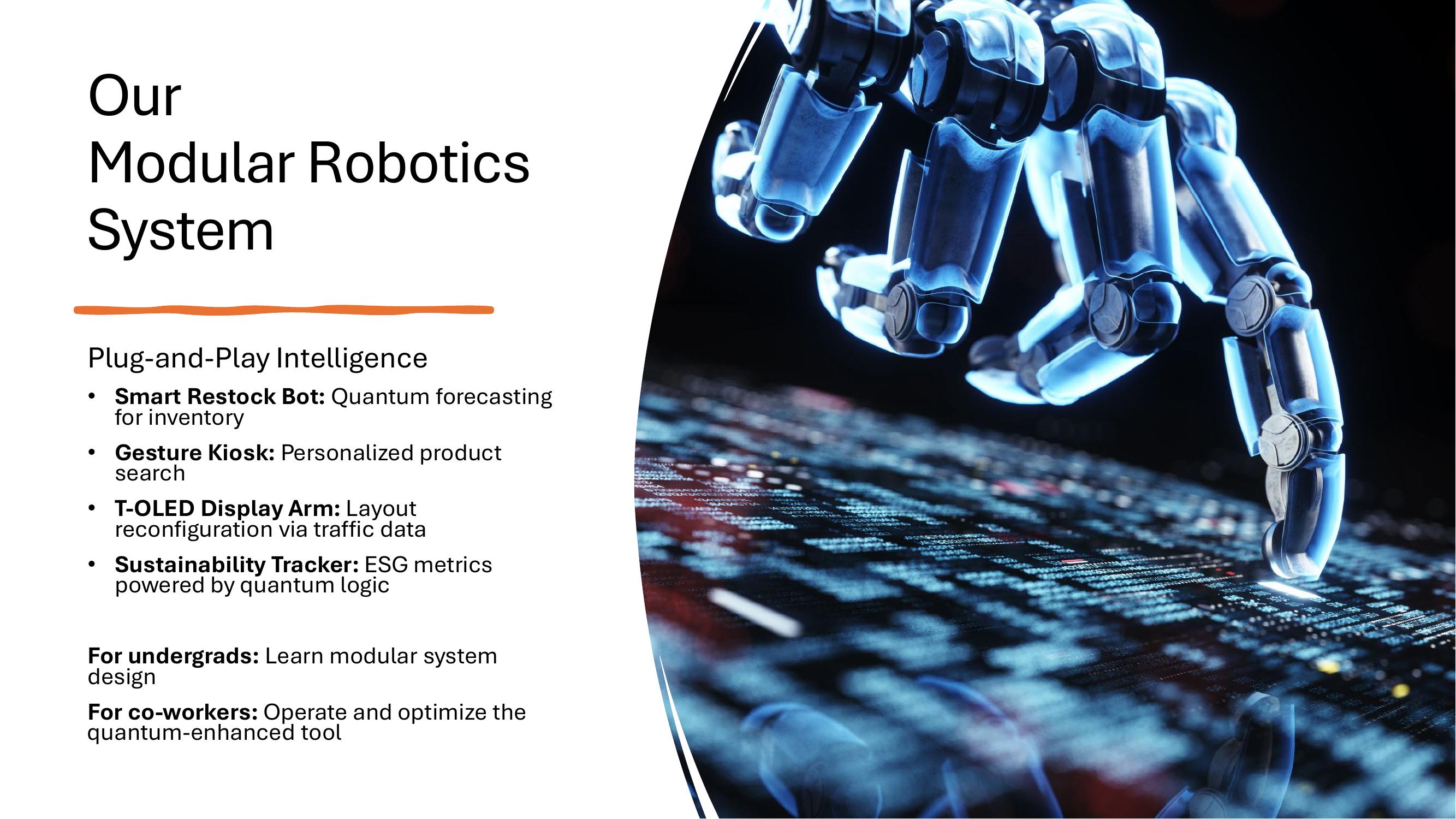
Plug-and-Play Intelligence
Retail Use Cases
Built for Everyone
From Tech to Impact
Let's Build Together
Scaling with international compliance standards.
ADA, ESG, CCPA
GDPR, CE
APPI, JIS X 8341
PIPEDA, CSA B651
Logic Learng Tutors curriculum: ML for AI Careers (2026). Weekly assignments with code, mnemonic visualization, and ethical compliance.
| Week | Topic | Description |
|---|---|---|
| 1 | Linear Regression | Predicts attack severity in cybersecurity by fitting data points. Visualized as the "Regression Room" (Bellezza, 1981). |
| 2 | Naive Bayes for Spam Detection | Classifies spam emails using GaussianNB with 75% accuracy. Visualized as the "Classification Hallway." |
| 4 | Neural Networks | Learns patterns for intrusion detection by adjusting node connections. Visualized as the "Neural Network Chamber." |
| 6 | Quantum ML | TensorFlow Quantum combines quantum and classical ML for threat detection. Visualized as the "Quantum Lab." |
| 7 | Ethical AI Essay | Addresses fairness, bias, privacy, and transparency in ML per IEEE Ethically Aligned Design standards. |
| 11 | Capstone Proposal | Naive Bayes classifier for network threats — 75% accuracy target, IEEE fairness compliance. |
| 12 | Capstone Project | Full implementation: Naive Bayes threat classifier achieving 76% accuracy with balanced, fair data. |
Capstone project: Simple ML for Cybersecurity threat detection.
from sklearn.naive_bayes import GaussianNB
from sklearn.metrics import accuracy_score
import numpy as np

# Simulated cybersecurity data
X = np.random.normal(0, 1, (100, 2))
y = (X[:, 0] > 0).astype(int)  # 0: benign, 1: threat

# Train model
model = GaussianNB()
model.fit(X, y)
y_pred = model.predict(X)

# Evaluate
accuracy = accuracy_score(y, y_pred)
print(f"Accuracy: {accuracy:.2f}")
References: Bellezza, F. S. (1981). Mnemonic devices: Classification, characteristics, and criteria. Review of Educational Research, 51(2), 247–275. · IEEE. (2020). Ethically Aligned Design. ethicsinaction.ieee.org · Zhang, Y., et al. (2020). Machine learning in cybersecurity. IEEE Access, 8, 181721–181741. · Google AI. (2020). TensorFlow Quantum. tensorflow.org/quantum · Abadi, M., et al. (2016). TensorFlow: A system for large-scale machine learning. 12th USENIX Symposium, 265–283.
Original presentation and curriculum documents. Preview pages shown below.
You are the future of ethical automation.
Internal wiki + Qiskit sandbox. Explore quantum circuits hands-on and deepen your understanding of retail applications.
Scenario testing reports help us iterate. Every module is a civic-tech opportunity for innovation.
Join Logika Learng's alumni innovation network. Lead the next wave of modular retail transformation.